
Alma Adaptive Training Platform by Mina Maazi |
Home > Winners > #169409 |
 |
|
||||
| DESIGN DETAILS | |||||
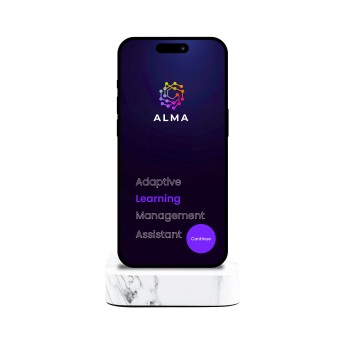
| DESIGN NAME: Alma PRIMARY FUNCTION: Adaptive Training Platform INSPIRATION: Alma was inspired by the need to improve digital adoption and corporate learning. Research showed that traditional training lacks engagement and human interaction, slowing digital readiness. By integrating peer-to-peer learning, mentorship, and adaptive AI-driven scheduling, Alma creates a seamless and practical learning experience, making onboarding more effective and reducing resistance to change. UNIQUE PROPERTIES / PROJECT DESCRIPTION: Alma is an AI-powered learning assistant that personalizes corporate training by identifying learning styles and optimizing scheduling. Unlike traditional platforms, it integrates peer-to-peer learning, mentorship, and smart scheduling to reduce onboarding costs. AI-driven insights help users access relevant content, connect with peers, and enhance digital adoption while ensuring a seamless, human-centered learning experience. OPERATION / FLOW / INTERACTION: Alma streamlines learning by analyzing individual learning styles and suggesting tailored courses, mentors, and training paths. It seamlessly syncs with calendars, offering AI-powered scheduling for optimal learning sessions. Users can book mentors, track progress, and receive automated reminders. Alma fosters peer-to-peer learning, recommending colleagues with similar interests, ensuring an engaging, efficient, and interactive learning experience. PROJECT DURATION AND LOCATION: The project began in October 2023 in Birmingham, UK, as part of the MA Design Management program at Birmingham City University. It was completed in November 2023 and received the Best Idea Award at the People-Led Digitalisation event, organized in collaboration with the University of Bath. The project was developed through extensive research and user-centered design methodologies to enhance corporate learning experiences. |
PRODUCTION / REALIZATION TECHNOLOGY: Alma was developed using AI-driven learning models and machine learning algorithms to personalize training experiences. It integrates with digital calendars for adaptive scheduling and suggests peer interactions based on shared learning topics. The Design Thinking and User-Centered Design methodologies guided the UX process. Figma was used for prototyping, while continuous user testing and feedback loops refined the system for optimal usability. SPECIFICATIONS / TECHNICAL PROPERTIES: Alma is a cloud-based AI-driven learning platform designed for adaptive training. It integrates with Google Calendar and Outlook APIs for smart scheduling. The platform was prototyped in Figma and refined through iterative user testing. It supports responsive design, ensuring accessibility across desktop and mobile devices. End-to-end encryption safeguards user data, while scalable architecture allows seamless company-wide deployment. TAGS: Adaptive Learning, AI Assistant, Digital Literacy, Peer-to-Peer Learning, Mentorship Platform, E-Learning, Smart Scheduling, User-Centered Design, Personalized Education, Cloud-Based Platform RESEARCH ABSTRACT: This research employed User-Centered Design and Design Thinking methodologies to enhance digital literacy and onboarding. Surveys and user interviews were conducted with employees struggling with traditional training. Insights from Google and Amazon case studies highlighted Peer-to-Peer Learning and Adaptive Scheduling as key solutions. Findings shaped Alma, making onboarding more efficient, cost-effective, and engaging in corporate environments. CHALLENGE: The biggest challenge was integrating AI-driven adaptive learning while maintaining a human-centered approach. Developing accurate learning style detection algorithms required extensive research. We conducted both qualitative and quantitative research, including user interviews, surveys, and usability testing, to ensure an effective and engaging user experience. Additionally, overcoming resistance to digital adoption was critical. Inspired by Google and Amazon, we leveraged Peer-to-Peer Learning and Adaptive Scheduling to create a validated, user-centric platform that fosters digital readiness. ADDED DATE: 2025-02-23 20:28:49 TEAM MEMBERS (1) : Mina Maazi IMAGE CREDITS: Image #1: Designer Mina Maazi, ALMA UI Design, 2024. Image #2: Designer Mina Maazi, Learning Style Detection Flow, 2024. Image #3: Designer Mina Maazi, Adaptive Scheduling Interaction, 2024. Video Credits: Designer Mina Maazi, ALMA User Flow Prototype, 2024. Image #4: Illustrator John Doe, Icons from Freepik, 2024. PATENTS/COPYRIGHTS: Copyrights belong to Mina Maazi, 2025. |
||||
| Visit the following page to learn more: https://bit.ly/3DiRj0i | |||||



| CLIENT/STUDIO/BRAND DETAILS | |
 |
NAME: Birmingham City University PROFILE: This project was commissioned by Birmingham City University, University of Bath, and People-Led Digitalisation (PLD) as part of the People-Led Digitalisation event. Birmingham City University is renowned for its innovative approach to design and digital transformation. University of Bath is a leading academic institution known for its research and development in technology and education. People-Led Digitalisation (PLD) is dedicated to enhancing digital adoption through people-centered strategies. This collaboration aimed to enhance digital literacy and organizational training by developing innovative solutions for digital adoption readiness. The project was recognised for its people-centered approach and received the Best Idea award. |

| AWARD DETAILS | |
 |
Alma Adaptive Training Platform by Mina Maazi is Winner in Education, Teaching Aid and Training Content Design Category, 2024 - 2025.· Read the interview with designer Mina Maazi for design Alma here.· Press Members: Login or Register to request an exclusive interview with Mina Maazi. · Click here to register inorder to view the profile and other works by Mina Maazi. |
| SOCIAL |
| + Add to Likes / Favorites | Send to My Email | Comment | Testimonials | View Press-Release | Press Kit |
Did you like Mina Maazi's Education Design?
You will most likely enjoy other award winning education design as well.
Click here to view more Award Winning Education Design.
  |
 |