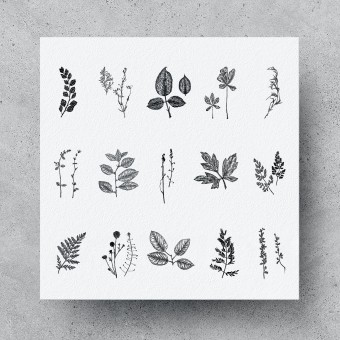
Field Notes Botanical Illustration by Seraphina Sol |
Home > Winners > #169388 |
 |
|
||||
| DESIGN DETAILS | |||||
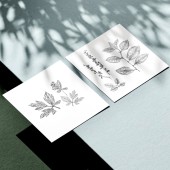
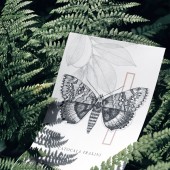
| DESIGN NAME: Field Notes PRIMARY FUNCTION: Botanical Illustration INSPIRATION: The often overlooked details in nature, such as the shape of a leaf or the texture of a stem, are brought into focus through these illustrations. With the aim to foster a deeper appreciation for the natural world, the project depicts the beauty and complexity of plant life. Inspired by herbaria and natural history museums, the project strives to document botanical specimens accurately and preserve a record for future studies. By combining traditional and digital techniques, the illustrations highlight the importance of these plants and encourage efforts to protect and preserve them. UNIQUE PROPERTIES / PROJECT DESCRIPTION: Botanical illustration was once a crucial skill for documenting plant species, but it is becoming less common in today’s fast-paced, digital world. The collection of black line illustrations revisits the practice of careful observational drawing, making it relevant and accessible in both print and digital formats. OPERATION / FLOW / INTERACTION: Designed to engage both academic and general audiences as educational guides, exhibition pieces, and visual assets for digital and printed media. PROJECT DURATION AND LOCATION: Since 2020, the illustration project has been exhibited across Canada, following research at institutions, botanical gardens, and various museums. FITS BEST INTO CATEGORY: Graphics, Illustration and Visual Communication Design |
PRODUCTION / REALIZATION TECHNOLOGY: Initial illustrations were rendered in ink, then refined digitally. The final illustrations were printed on handmade, 100 percent recycled cotton paper embedded with wildflower seeds. They have been showcased in various print and digital formats across museums, gardens, and exhibits. SPECIFICATIONS / TECHNICAL PROPERTIES: 3600 x 3600 pixels, 300dpi, RGB. TAGS: Illustration, Botanical, Nature, Education, Exhibition, Art, Science, Conservation, Envrionmental. RESEARCH ABSTRACT: The aim was to capture the beauty of moths and plants, blending detailed scientific illustration with a more artistic-design approach. The process involved field research, collecting specimens, and carefully studying their details before translating them into hand-drawn sketches, which were then refined digitally. By showcasing these organisms through both a scientific and creative lens, the project encourages viewers to connect with the natural world, reflect on its beauty, and inspire its preservation. CHALLENGE: A key challenge was illustrating dried, pressed plant specimens from museums, as they lose texture and depth once preserved. Capturing their true form while maintaining accuracy required careful observation and creative interpretation. ADDED DATE: 2025-02-23 17:10:57 TEAM MEMBERS (1) : Seraphina Sol IMAGE CREDITS: Image #1: Seraphina Sol, 2025. Image #2: Seraphina Sol, 2025. Image #3: Seraphina Sol, 2025. Image #4: Seraphina Sol, 2025. Image #5: Seraphina Sol, 2025. PATENTS/COPYRIGHTS: Copyrights belong to Seraphina Sol, 2025. All rights reserved. |
||||
| Visit the following page to learn more: https://www.seraphinasol.com | |||||
| CLIENT/STUDIO/BRAND DETAILS | |
 |
NAME: Seraphina Sol PROFILE: Seraphina Sol is a designer and illustrator whose work bridges the fields of art, science, and design. With an eye for detail, she creates scientific illustrations that bring the delicate beauty of the natural world into a strong focus. Her work draws inspiration from the precision of natural history museum collections, and blends traditional drawing techniques with modern digital methods to capture the essence of plants, moths, and other often-overlooked elements of nature. Her illustrations have been featured across various media, from educational materials to international publications, exhibitions, and campaigns where they inspire a deeper understanding of nature and encourage its preservation. Seraphina Sol is currently based in Toronto, Ontario, Canada. |

| AWARD DETAILS | |
 |
Field Notes Botanical Illustration by Seraphina Sol is Winner in Graphics, Illustration and Visual Communication Design Category, 2024 - 2025.· Read the interview with designer Seraphina Sol for design Field Notes here.· Press Members: Login or Register to request an exclusive interview with Seraphina Sol. · Click here to register inorder to view the profile and other works by Seraphina Sol. |
| SOCIAL |
| + Add to Likes / Favorites | Send to My Email | Comment | Testimonials | View Press-Release | Press Kit |
Did you like Seraphina Sol's Graphic Design?
You will most likely enjoy other award winning graphic design as well.
Click here to view more Award Winning Graphic Design.
  |
 |