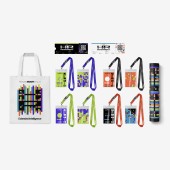
HarvardXR 2024 Visual Identity by Yutong Wang |
Home > Winners > #167298 |
 |
|
||||
| DESIGN DETAILS | |||||
| DESIGN NAME: HarvardXR 2024 PRIMARY FUNCTION: Visual Identity INSPIRATION: The inspiration for this design stems from the fundamental role of pixels in digital experiences. Pixels symbolize both the technological essence of XR and the idea of collaboration — small elements coming together to form something greater. By integrating pixel-based visuals, the brand identity highlights the innovative spirit of the conference while making complex technologies feel engaging and approachable to a diverse audience. UNIQUE PROPERTIES / PROJECT DESCRIPTION: HarvardXR 2024: Extended Intelligence is a conference on the convergence of AI and XR at Harvard University and beyond. To express the core values of HarvardXR 2024, this visual identity centers on the concept of pixels, symbolizing the building blocks of digital experiences and the future-facing nature of the event. This visual language helped to reflect the innovative spirit and technological advancement that the conference embodies. OPERATION / FLOW / INTERACTION: This brand identity creates a cohesive and engaging visual experience for HarvardXR 2024, seamlessly adapting across digital and physical formats, from social media to large-scale signage. A dynamic pixel-based design reflects the conference’s themes while four main colors differentiate participant identities, including speakers, sponsors, staff, and audience. This structured visual system enhances recognition and makes complex technologies feel accessible and inviting for attendees. PROJECT DURATION AND LOCATION: The project started in December 2023 in Cambridge, Massachusetts, and finished in April 2024 in Cambridge, Massachusetts. FITS BEST INTO CATEGORY: Graphics, Illustration and Visual Communication Design |
PRODUCTION / REALIZATION TECHNOLOGY: The design was created using Adobe Creative Suite for layout and branding, while randomized pixel matrices with embedded "AI" and "XR" letters were generated using C4D. The finalized visuals were displayed on digital screens and adapted for physical production, including posters, signs, banners, and branded merchandise such as mugs, stickers, and tote bags. Various printing techniques ensured consistency across both digital and physical applications. SPECIFICATIONS / TECHNICAL PROPERTIES: The visual identity has been applied across various formats, from social media graphics to large-scale signage up to 3048 mm in height. It has been displayed through both digital and physical mediums, including printed materials, posters, banners, and digital screens. The adaptable design ensures clarity and impact across different scales and platforms, maintaining consistency in both small and large-format applications. TAGS: brand identity, branding, visual identity, experience design, conference RESEARCH ABSTRACT: This research explored the integration of generative design in visual identity. The objective was to automate and enhance design consistency using procedural methods. Using C4D, my team generated randomized pixel matrices, embedding 'AI' and 'XR' to reinforce the conference theme. Feedback from participants helped refine color differentiation for speakers, sponsors, staff, and audience. The approach improved efficiency, scalability, and adaptability across digital and physical applications. CHALLENGE: A key challenge was balancing the generative pixel-based design with clarity and adaptability across various formats. The randomized pixel matrices, while visually engaging, needed refinement to maintain legibility, especially at different scales. Technically, integrating C4D for automation required iterations to ensure consistency. In addition, to enhance participant engagement, a customized digital ticket animation featuring their names was generated and sent via email upon sign-up, creating a personalized and welcoming experience. ADDED DATE: 2025-01-17 02:31:32 TEAM MEMBERS (1) : IMAGE CREDITS: Yutong Wang, 2024. |
||||





| AWARD DETAILS | |
 |
Harvardxr 2024 Visual Identity by Yutong Wang is Winner in Graphics, Illustration and Visual Communication Design Category, 2024 - 2025.· Read the interview with designer Yutong Wang for design HarvardXR 2024 here.· Press Members: Login or Register to request an exclusive interview with Yutong Wang. · Click here to register inorder to view the profile and other works by Yutong Wang. |
| SOCIAL |
| + Add to Likes / Favorites | Send to My Email | Comment | Testimonials | View Press-Release | Press Kit |
Did you like Yutong Wang's Graphic Design?
You will most likely enjoy other award winning graphic design as well.
Click here to view more Award Winning Graphic Design.
  |
 |