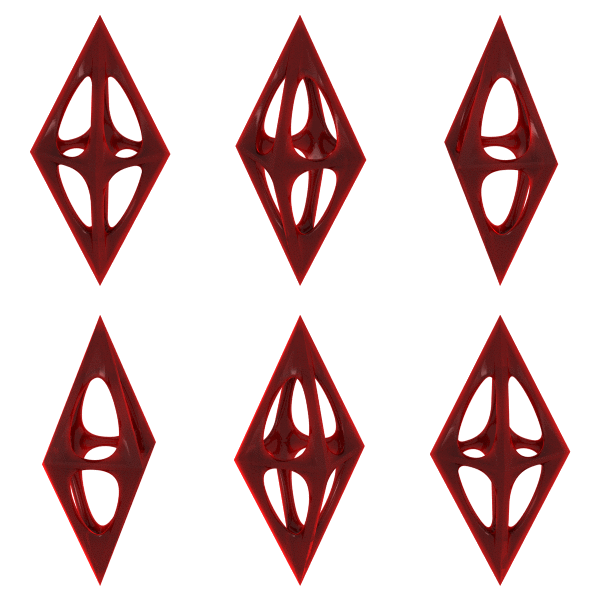
Crevice Art Museum by Socal V |
Home > Winners > #167267 |
 |
|
||||
| DESIGN DETAILS | |||||
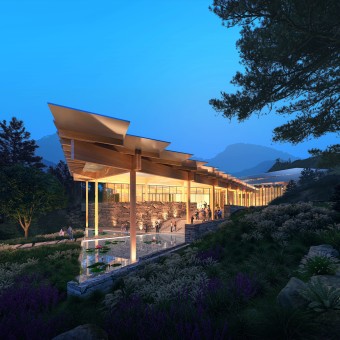
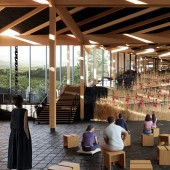
| DESIGN NAME: Crevice PRIMARY FUNCTION: Art Museum INSPIRATION: It drew inspiration from Confucius' wisdom, harmonizing mountains and water. It symbolizes the local topography through the "Crevice" concept, blending complexity, and water's transformative essence. It reflects tradition and innovation, fostering a dialogue with nature. The project's technical foundation lies in intricate terrain, pagoda roofs, and cultivated land, with spaces promoting cultural expression. The waterway represents change, offering unplanned discoveries and inner tranquility. UNIQUE PROPERTIES / PROJECT DESCRIPTION: This design, inspired by Confucius' appreciation of mountains and water, merges with Shandong's terraced landscapes and waterways. The "Crevice" concept, embodying mountainous terrain with giant triangles and fluid waterways, harmonizes with the environment as a natural earth extension. It reinterprets ancient culture contemporarily. This approach shapes visitor experiences, encouraging a dialogue with the space and guiding them towards a culture of inner peace. OPERATION / FLOW / INTERACTION: The art museum operates interactively, with adaptable exhibition areas and installations that engage visitors. Its design guides a journey through art and culture, with key features like natural lighting and scenic views. The layout transforms with time and season, offering unique experiences on each visit. This integration of art, nature, and architecture enhances the visitor experience, making the museum a superior cultural destination. PROJECT DURATION AND LOCATION: 2023 in Weihai, China FITS BEST INTO CATEGORY: Architecture, Building and Structure Design |
PRODUCTION / REALIZATION TECHNOLOGY: Our design leveraged parametric tools to refine the roof structure, optimizing form and performance while maintaining aesthetic harmony. Computational modeling enabled iterative exploration, ensuring structural efficiency and material economy. We utilized Rhinoceros and Grasshopper for advanced 3D modeling, combined with environmental analysis tools to integrate sustainable strategies. This approach allowed us to align design intent with functionality, creating a cohesive and innovative outcome. SPECIFICATIONS / TECHNICAL PROPERTIES: This art museum is situated on a 6,000 square meter site, with a total building area of 10,000 square meters. The design efficiently maximizes the use of space, ensuring a harmonious blend of form and function. Its spatial layout and structure have been meticulously planned to complement the surrounding landscape, while providing ample area for exhibitions and cultural activities. The technical specifications of the project have been carefully considered to align with both aesthetic and functional requirements, making it an exemplary model for contemporary museum architecture. TAGS: Art Museum, Folk Art, Wood Structure, RESEARCH ABSTRACT: Our research, an applied design study, aimed to integrate a museum within Shandong's landscape, reflecting local culture. We combined qualitative and quantitative methods, analyzing site characteristics, cultural history, and architectural styles. Utilizing Rhinoceros, Adobe Suite, Miro, and Discord, our team, including architects and historians, developed a design harmonizing with the natural environment. The results demonstrate the significance of cultural and environmental sensitivity in design, impacting sustainable architecture, cultural preservation, and enhancing visitor experiences in business and society. CHALLENGE: The main challenge was distilling vernacular architectural features, integrating folk culture with space, and blending into the site while fostering local development. Research on Shandong’s intangible cultural heritage, such as Rushan Qinshu, Shandong yangko, teahouses, and silk production, informed the design. By studying exhibition spaces, the project creates tailored stages for each cultural element, inviting visitors to immerse themselves in traditional Chinese culture. ADDED DATE: 2025-01-16 01:18:45 TEAM MEMBERS (1) : Yanci Chen, Jing Chen, Guanyu Tao, Zhiqian Xu IMAGE CREDITS: Image 01: Creator SOCAL V Image 02: Creator SOCAL V Image 03: Creator SOCAL V Image 04: Creator SOCAL V Image 05: Creator SOCAL V PATENTS/COPYRIGHTS: Copyrights belong to SOCAL V |
||||


| CLIENT/STUDIO/BRAND DETAILS | |
 |
NAME: SOCAL V PROFILE: SOCAL V is a creative collective, exploring the intersection of design, technology, and culture. With a passion for innovation, SOCAL V brings together visionaries from diverse backgrounds to craft experiences that are bold, collaborative, and deeply human. From spatial design to digital storytelling, the studio thrives on pushing boundaries and shaping narratives that resonate. |

| AWARD DETAILS | |
 |
Crevice Art Museum by Socal V is Winner in Architecture, Building and Structure Design Category, 2024 - 2025.· Read the interview with designer Socal V for design Crevice here.· Press Members: Login or Register to request an exclusive interview with Socal V. · Click here to register inorder to view the profile and other works by Socal V. |
| SOCIAL |
| + Add to Likes / Favorites | Send to My Email | Comment | Testimonials | View Press-Release | Press Kit |
Did you like Socal V's Architecture Design?
You will most likely enjoy other award winning architecture design as well.
Click here to view more Award Winning Architecture Design.
  |
 |