
Home Space Shop by Fundesign.tv |
Home > Winners > #172625 |
 |
|
||||
| DESIGN DETAILS | |||||
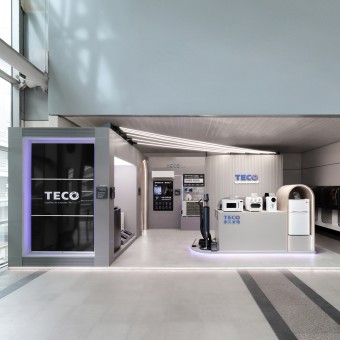
| DESIGN NAME: Home Space PRIMARY FUNCTION: Shop INSPIRATION: The concept was born from a desire to humanize technology. While smart homes are often portrayed as gadget-heavy or cold, this design aims to create a sanctuary where technology disappears into the background, serving rather than showing. Inspiration comes from the flow of data, the softness of daily rituals, and the beauty of stillness. UNIQUE PROPERTIES / PROJECT DESCRIPTION: This project reimagines the smart home as a space of emotional intelligence. Through seamless AI integration, minimalist design, and ergonomic logic, the space transforms daily routines into intuitive and poetic experiences. Concealed lighting, soft tones, and refined appliances compose a calm, futuristic atmosphere. The space becomes more than functional; it listens, adapts, and supports, quietly responding to human presence with silent intelligence. OPERATION / FLOW / INTERACTION: This space works like a quiet assistant. Lights adjust automatically based on time and presence. Appliances turn on gently when you approach. There are no loud signals, only soft responses. The layout makes everything easy to reach, and controls appear only when needed. By hiding the tech and focusing on natural use, the space feels calm, responsive, and deeply human. PROJECT DURATION AND LOCATION: The shop opened in Feb 2025 in Kaohsiung, Taiwan. FITS BEST INTO CATEGORY: Interior Space and Exhibition Design |
PRODUCTION / REALIZATION TECHNOLOGY: 1. Seamless AI integration across appliances with intuitive UX design. 2. Ergonomic appliance placement to optimize user flow and interaction. 3. Ambient lighting mimics circadian rhythm and emotional state. 4. Concealed interfaces reduce visual fatigue and support calmness. 5. Smart zoning adjusts temperature, light, and presence sensing. SPECIFICATIONS / TECHNICAL PROPERTIES: Designed within a 60-square-meter footprint and 2.5 meters in height. TAGS: TECO, Smart Appliances, Inverter Technology, Energy Efficiency, Power Saving, ESG, Taiwan, Leading Air Conditioning Brand, Sustainable Living, Smart Home, Intelligent Control, Eco-Friendly Design RESEARCH ABSTRACT: This user-centered design research aimed to explore emotional comfort in AI-powered smart homes. Methods included user interviews, behavior mapping, and prototype testing. Tools used were digital mood boards, 3D modeling, and interaction simulations. Participants included 12 households aged 30 to 55. Results revealed a need for low-stimulus environments and invisible tech. The findings shaped a calm, intuitive living space with commercial and design impact. CHALLENGE: The biggest challenge was balancing visible design with invisible technology. Users desire simplicity, but AI systems require complex integration. We had to conceal sensors, interfaces, and wiring without compromising usability. The project was located in a busy high-speed rail station, where construction could only take place at night during non-operational hours. Tight schedules and precise coordination between trades added to the complexity. ADDED DATE: 2025-03-31 12:31:32 TEAM MEMBERS (3) : Carrie Chang, SK Chen and Pei Jou Wu IMAGE CREDITS: Fundesign.tv, 2024. |
||||
| Visit the following page to learn more: https://reurl.cc/0KXQ5o | |||||


| CLIENT/STUDIO/BRAND DETAILS | |
 |
NAME: TECO PROFILE: Based on its core technologies in electromechanical integration, energy-related engineering, and air solutions, TECO’s three major business groups will serve as the key cornerstones of the internal ecosystem, while the inter-business products and technologies are applied in six major areas: smart manufacturing, EV powertrain system, smart energy grid/storage system, offshore wind power business, smart logistics, and smart city applications. In addition, with the ultimate goal of "carbon neutrality", TECO will continue to realize corporate sustainability and the company vision of energy conservation, emissions reduction, Intelligence, and automation. |

| AWARD DETAILS | |
 |
Home Space Shop by Fundesign.tv is Winner in Interior Space and Exhibition Design Category, 2024 - 2025.· Read the interview with designer Fundesign.tv for design Home Space here.· Press Members: Login or Register to request an exclusive interview with Fundesign.tv. · Click here to register inorder to view the profile and other works by Fundesign.tv. |
| SOCIAL |
| + Add to Likes / Favorites | Send to My Email | Comment | Testimonials | View Press-Release | Press Kit |
Did you like Fundesign.tv's Interior Design?
You will most likely enjoy other award winning interior design as well.
Click here to view more Award Winning Interior Design.
  |
 |