
Sharge Private EV Charging Pile Sharing APP by Fang Xu, Xuan Shen and Yongwen Dai |
Home > Winners > #170601 |
 |
|
||||
| DESIGN DETAILS | |||||
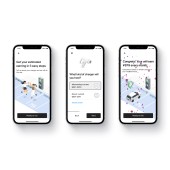
| DESIGN NAME: Sharge PRIMARY FUNCTION: Private EV Charging Pile Sharing APP INSPIRATION: Sharge was inspired by the sharing economy model and the urgent need for accessible, cost-effective EV charging solutions. With EV adoption rising, public infrastructure struggles to keep up, leaving drivers with long waits and high costs. Seeing underutilized private charging piles, we envisioned a community-driven network that optimizes resources, fosters sustainability, and enhances convenience. Our research on user behavior, urban mobility, and green energy shaped the platform’s design. UNIQUE PROPERTIES / PROJECT DESCRIPTION: Sharge revolutionizes the EV charging landscape by transforming private charging piles into shared community resources. It enhances accessibility, convenience, and affordability in the EV ecosystem. By addressing the challenges of limited public charging and high costs, Sharge allows hosts to earn extra income and enhances the charging experience for drivers. This innovation promotes sustainability and supports the shift towards a greener future. OPERATION / FLOW / INTERACTION: Sharge operates like a community-driven EV charging network. EV drivers use the app to find nearby private charging piles, check availability, and book a time slot. Pile owners list their chargers, set prices, and earn extra income. Video navigation and clear pricing ensure a smooth experience. By sharing underutilized chargers, Sharge reduces costs, wait times, and reliance on public stations, making charging more accessible, convenient, and efficient for everyone. PROJECT DURATION AND LOCATION: The project design started in January 2022 and ended in April 2022. The development is ongoing. FITS BEST INTO CATEGORY: Interface, Interaction and User Experience Design |
PRODUCTION / REALIZATION TECHNOLOGY: Sharge was developed using UX research methodologies, iterative prototyping, and user testing to refine the platform. The app interface was designed with Figma for high-fidelity wireframes and interactive prototypes. React Native ensures cross-platform compatibility, while Google Maps API enables precise location-based services. Video integration and scheduling features were optimized through agile development, ensuring a seamless user experience and scalable implementation. SPECIFICATIONS / TECHNICAL PROPERTIES: Sharge is a digital platform designed for mobile and web use. The mobile app is developed using React Native for cross-platform functionality, with backend services built on Node.js and a cloud-based infrastructure for scalability. It integrates Google Maps API for location-based services and Stripe API for secure payments. The platform supports real-time scheduling, video navigation, and a user rating system, ensuring seamless interaction between EV drivers and pile owners. TAGS: EV Charging, Sharing Economy, Sustainability, Decentralized Network, Passive Income, User-Centric Design, Urban Innovation, Resource Optimization, Clean Energy RESEARCH ABSTRACT: User-centered research was conducted to analyze the charging challenges faced by EV drivers and the needs of private charger owners, with the objective of optimizing underutilized private chargers and improving accessibility. The study utilized interviews, surveys, and usability testing to collect both qualitative and quantitative data. A total of five EV drivers and five private charger owners participated, highlighting key issues such as unclear pricing, difficulty in locating chargers, and low utilization rates. Based on these insights, features such as video navigation and scheduling tools were developed to enhance user experience and increase adoption. The findings contribute to business strategy, urban mobility improvements, and sustainability efforts, supporting a more efficient and accessible EV charging ecosystem. CHALLENGE: The primary challenge involved balancing accessibility, affordability, and trust within a decentralized charging network. Ensuring that private charger owners felt secure sharing their chargers while maintaining a seamless experience for drivers was a key consideration. Social norms, lack of trust, and inconsistent regulations on private charging created additional obstacles. From a technological perspective, developing an intuitive interface with clear pricing, scheduling, and video navigation presented complexities. Addressing these challenges enabled the creation of a smooth, scalable solution for widespread adoption. ADDED DATE: 2025-02-28 00:04:14 TEAM MEMBERS (4) : Fang Xu, Xuan Shen, Yongwen Dai and IMAGE CREDITS: Fang Xu Xuan Shen Yongwen Dai PATENTS/COPYRIGHTS: Fang Xu Xuan Shen Yongwen Dai |
||||


| CLIENT/STUDIO/BRAND DETAILS | |
 |
NAME: Sharge PROFILE: Sharge is an innovative technology company transforming the electric vehicle (EV) charging landscape through a community-driven sharing model. By enabling private charging pile owners to share their infrastructure with EV drivers, Sharge enhances charging accessibility, affordability, and efficiency. The platform addresses the growing demand for sustainable mobility solutions while optimizing underutilized private resources. Sharge’s core system connects EV drivers with nearby private charging piles, providing a seamless booking experience with real-time availability, transparent pricing, and video navigation. This decentralized network reduces reliance on public charging stations, minimizing wait times and lowering costs. Charging pile owners benefit from passive income generation, making EV infrastructure more sustainable and widely accessible. Developed through user-centered research, Sharge integrates location-based services, dynamic scheduling, and intuitive UI design to ensure ease of use for both drivers and pile owners. The platform operates on a commission-based revenue model, targeting China’s rapidly expanding EV market, where demand for charging solutions continues to outpace infrastructure growth. By leveraging existing charging resources and promoting efficient energy distribution, Sharge contributes to the advancement of clean energy adoption and urban sustainability. The company remains committed to enhancing smart mobility solutions, supporting the global transition toward a greener and more connected EV ecosystem. |

| AWARD DETAILS | |
 |
Sharge Private Ev Charging Pile Sharing App by Fang Xu, Xuan Shen and Yongwen Dai is Winner in Mobile Technologies, Applications and Software Design Category, 2024 - 2025.· Read the interview with designer Fang Xu, Xuan Shen and Yongwen Dai for design Sharge here.· Press Members: Login or Register to request an exclusive interview with Fang Xu, Xuan Shen and Yongwen Dai. · Click here to register inorder to view the profile and other works by Fang Xu, Xuan Shen and Yongwen Dai. |
| SOCIAL |
| + Add to Likes / Favorites | Send to My Email | Comment | Testimonials | View Press-Release | Press Kit |
Did you like Fang Xu, Xuan Shen and Yongwen Dai's Mobile Design?
You will most likely enjoy other award winning mobile design as well.
Click here to view more Award Winning Mobile Design.
  |
 |