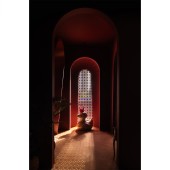
Hues Of The Future Architectural Photography by Sara Gaafar |
Home > Winners > #170401 |
 |
|
||||
| DESIGN DETAILS | |||||
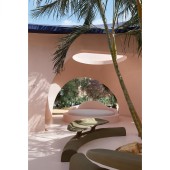
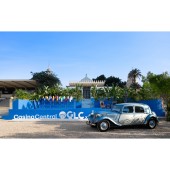
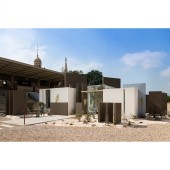
| DESIGN NAME: Hues Of The Future PRIMARY FUNCTION: Architectural Photography INSPIRATION: The fusion of history and future in Hues of the Future was my main inspiration. Photographing this project meant capturing how each pavilion redefined home a century ahead while embracing nostalgia, nature, and community. I was drawn to the interplay of textures, materials, and light. How reflections, openings, and shadows shaped immersive experiences. My vision was to translate these bold concepts into frames that evoke emotion, storytelling, and the human essence within architecture. UNIQUE PROPERTIES / PROJECT DESCRIPTION: GLC Paints unveiled its 2024 color trends at Cairo Design Week, showcasing the creations of six Egyptian designers. The exhibition, titled "Hues of the Future," aimed to express aspirations for the ideal home in a century. The project featured four pavilions: Brutifully Forward, Ha-beit'a, Reserva 77 and Casino Central. OPERATION / FLOW / INTERACTION: The project’s operation and flow were designed to create a seamless interaction between spaces, materials, and visitors. Each pavilion was strategically positioned to encourage movement and exploration, with open pathways connecting the installations. Interaction was key, natural light, reflective surfaces, and bold colors engaged visitors, inviting them to experience the spaces dynamically rather than passively observing. PROJECT DURATION AND LOCATION: The project took place through Cairo Design Week 2nd edition in Ghernata Palace, Cairo, Egypt. From 23rd of February to 2nd of March 2024. FITS BEST INTO CATEGORY: Photography and Photo Manipulation Design |
PRODUCTION / REALIZATION TECHNOLOGY: The designs were crafted using a combination of wood, gypsum board, and paint, creating dynamic yet functional spaces. Wood was used extensively for structural elements and intricate detailing, adding warmth and a natural feel to each pavilion. Gypsum board allowed for smooth, sculpted surfaces and creative geometric forms, shaping the futuristic yet nostalgic aesthetics. GLC Paints played a crucial role in bringing each vision to life, with carefully selected colors and finishes enhancing textures, depth, and atmosphere across the installations SPECIFICATIONS / TECHNICAL PROPERTIES: For this project, the architectural photography was executed with a meticulous approach to composition, lighting, and detail to authentically capture the design vision. 1. Equipment and Technical Setup: - High-resolution full-frame camera to ensure clarity and depth. - Tilt-shift lenses for precise perspective control and distortion-free architectural shots. - Tripod and remote shutter release for stability and consistency in framing. 2. Lighting and Exposure: - Natural and artificial lighting balanced to highlight textures, materials, and spatial depth. Bracketing technique was used to manage high-contrast areas. - Long exposure shots for enhanced clarity and rich color rendering. 3. Image Processing and Editing: - RAW image processing for maximum detail retention. - Color correction to accurately reflect the project’s materiality and GLC Paints’ color selections. - Retouching to refine details while maintaining the authenticity of the space. 4. Dimensions and Output: - High resolution images optimized for print, digital media, and large-scale displays. - Aspect ratios and framing tailored to editorial and marketing needs. - Final deliverables include web-optimized and full-resolution files. This structured approach ensured that the architectural essence, materiality, and spatial experience of Hues of the Future were preserved and communicated effectively through photography. TAGS: Architecture, Interior, Futuristic, Nostalgic, Colors RESEARCH ABSTRACT: The architectural photography for Hues of the Future was informed by in-depth research on spatial perception, material interaction, and lighting behavior. A study of natural and artificial light effects guided the approach to capturing depth, texture, and ambiance, ensuring that the materials wood, gypsum board, and paint were represented authentically. Research into visual storytelling and human centric architectural photography influenced framing techniques, emphasizing openness, movement, and interaction within the spaces. Additionally, analysis of reflective surfaces, color psychology, and futuristic design trends helped in translating the designers’ vision into compelling visual narratives. Findings from this research were applied in composition, exposure settings, and post-production to enhance the clarity and emotional impact of the imagery, aligning with the project’s conceptual and aesthetic goals. CHALLENGE: One of the biggest challenges during the photography of Hues of the Future was balancing light conditions across the different pavilions. The use of large openings and reflective surfaces created strong contrasts, requiring precise exposure control to retain details in both highlights and shadows. To overcome this, bracketing technique was applied, ensuring a balanced and true to life representation of materials and colors. Another challenge was capturing the full spatial experience while maintaining the intended design perspectives. Given the intricate details and varying scales of the installations, a tilt-shift lens was used to correct distortions and preserve architectural integrity. Additionally, the dynamic flow of visitors interacting with the spaces required careful timing and framing to highlight human engagement without disrupting the composition. Post-production also played a crucial role in refining textures and ensuring that GLC Paints’ color selections were accurately represented, overcoming any shifts caused by lighting variations. Through technical expertise, adaptive shooting methods, and meticulous editing, these challenges were successfully mastered, delivering a visually compelling and immersive photographic narrative. ADDED DATE: 2025-02-27 10:53:52 TEAM MEMBERS (1) : IMAGE CREDITS: Sara Gaafar, 2024. |
||||
| Visit the following page to learn more: https://www.instagram.com/saragaafar_?ig |
|||||
| CLIENT/STUDIO/BRAND DETAILS | |
 |
NAME: GLC Paints PROFILE: GLC Paints is a leading paint manufacturer in Egypt and Africa, specializing in high-quality oil- and water-based paints for various applications. Established in 1997, the company has grown through innovation, sustainability, and expanding production facilities. With a strong presence in the regional market, GLC exports to multiple African countries and continues to invest in growth, technology, and design trends. It is known for collaborating with architects and designers, shaping the future of color and architectural finishes. |

| AWARD DETAILS | |
 |
Hues of The Future Architectural Photography by Sara Gaafar is Winner in Photography and Photo Manipulation Design Category, 2024 - 2025.· Read the interview with designer Sara Gaafar for design Hues Of The Future here.· Press Members: Login or Register to request an exclusive interview with Sara Gaafar. · Click here to register inorder to view the profile and other works by Sara Gaafar. |
| SOCIAL |
| + Add to Likes / Favorites | Send to My Email | Comment | Testimonials | View Press-Release | Press Kit |
Did you like Sara Gaafar's Photography Design?
You will most likely enjoy other award winning photography design as well.
Click here to view more Award Winning Photography Design.
  |
 |