Ersie Cafe and Restaurant by Ali Moazzen |
Home > Winners > #165975 |
 |
|
||||
| DESIGN DETAILS | |||||
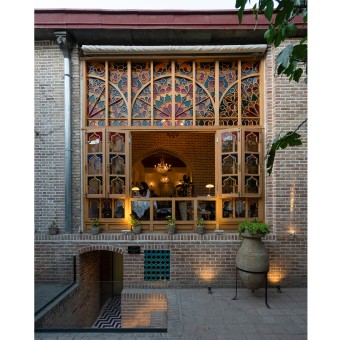
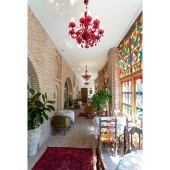
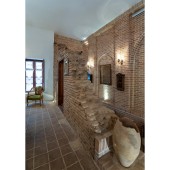
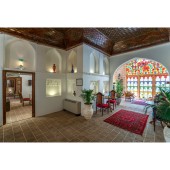
| DESIGN NAME: Ersie PRIMARY FUNCTION: Cafe and Restaurant INSPIRATION: The inspiration for this project stemmed from a deep respect for historical architecture and a desire to revive a semi-abandoned Qajar-era villa. The unique opportunity to uncover and restore hidden architectural details, combined with the building’s rich narrative and prime location, motivated the design. Extensive research into historical preservation techniques and adaptive reuse strategies ensured a balance between honoring the past and meeting contemporary needs. UNIQUE PROPERTIES / PROJECT DESCRIPTION: This design revitalizes a Qajar-era villa into a cafe-restaurant, blending historical authenticity with modern functionality. Unique features include restored architectural details, preserved century-old trees, innovative space reuse, and accessibility enhancements like an elevator and Braille menus. A tribute to craftsmanship further merges history with contemporary design. OPERATION / FLOW / INTERACTION: The design seamlessly blends the old with the new, allowing visitors to experience the rich history of the building while enjoying modern amenities. The café-restaurant layout encourages flow, with clear pathways from the entrance to the main dining areas and VIP spaces. The preservation of original walls and structures enhances the atmosphere, while modern installations like the elevator and central cooling system ensure comfort and accessibility, making the space both functional and welcoming for all visitors. PROJECT DURATION AND LOCATION: The project commenced in 2021 and was completed in 2023, located in the qazvin. The renovation aimed to transform a historically significant Qajar-era villa into a modern café-restaurant while preserving its original architectural essence. The completed design now serves as both a public space and a tribute to the building’s rich heritage, blending traditional elements with contemporary functionality. FITS BEST INTO CATEGORY: Architecture, Building and Structure Design |
PRODUCTION / REALIZATION TECHNOLOGY: The project utilized a combination of traditional and modern techniques. Original masonry structures were reinforced with steel frames for stability, while advanced plaster restoration techniques revived intricate moldings. Custom-crafted Orsi windows and restored wooden doors preserved authenticity. Sustainable materials were used for new additions, and modern HVAC systems were integrated into historical spaces. The design followed meticulous site analysis and historical documentation methodologies. SPECIFICATIONS / TECHNICAL PROPERTIES: Land Area: 2,200 m² Built-up Area: 846 m² Structure: Masonry with steel reinforcement Installations: Central chiller and boiler system Original Features: Restored Orsi windows, plaster moldings, and wooden doors Renovated Spaces: Expanded basement, preserved vestibule, and structural reinforcements for load-bearing walls. Accessibility: Elevator for disabled access, Braille menus for inclusivity. TAGS: Qajar architecture, adaptive reuse, café-restaurant design, historical restoration, Orsi windows, architectural preservation, sustainable design, inclusive design, masonry reinforcement, heritage revitalization RESEARCH ABSTRACT: he research conducted for this renovation focused on the adaptive reuse of historical architecture. The primary objective was to preserve the Qajar-era villa's heritage while adapting it for modern use as a café-restaurant. The methodology involved detailed analysis of architectural documents, structural assessments, and site visits. Tools included archival research, structural simulations, and restoration techniques. The results led to the successful preservation of key historical features, with a significant impact on local cultural tourism and heritage conservation. This project demonstrated the importance of integrating historical preservation with functional modern design, benefiting both society and the design field by promoting sustainable restoration practices. CHALLENGE: The biggest challenge of this project was navigating the delicate balance between preserving the villa's historical integrity and adapting it to a modern function. The internal challenge was the discovery of significant alterations made during the Pahlavi era, which obscured the original Qajar architecture. Externally, strict heritage conservation laws and the need for advanced restoration techniques posed obstacles. Overcoming these challenges required innovative approaches to both the design and construction processes while respecting legal and historical constraints. ADDED DATE: 2024-12-08 09:40:50 TEAM MEMBERS (1) : IMAGE CREDITS: Image #1: Photographer Peyman Rajabi, 2024. Image #2: Photographer Peyman Rajabi, 2024. Image #3: Photographer Peyman Rajabi, 2024. Image #4: Photographer Peyman Rajabi, 2024. Image #5: Photographer Peyman Rajabi, 2024. PATENTS/COPYRIGHTS: Copyrights belong to Ali Mozzan, 2024. |
||||

| CLIENT/STUDIO/BRAND DETAILS | |
 |
NAME: Ersie Mansion PROFILE: A revitalized Qajar-era villa in Qazvin (2023), blending historic preservation with modern functionality. The design maintains original architecture, integrates accessibility features, and creates a seamless flow between past and present, transforming the space into a vibrant café-restaurant. |

| AWARD DETAILS | |
 |
Ersie Cafe and Restaurant by Ali Moazzen is Winner in Cultural Heritage and Culture Industry Design Category, 2024 - 2025.· Read the interview with designer Ali Moazzen for design Ersie here.· Press Members: Login or Register to request an exclusive interview with Ali Moazzen. · Click here to register inorder to view the profile and other works by Ali Moazzen. |
| SOCIAL |
| + Add to Likes / Favorites | Send to My Email | Comment | Testimonials | View Press-Release | Press Kit |
Did you like Ali Moazzen's Cultural Heritage Design?
You will most likely enjoy other award winning cultural heritage design as well.
Click here to view more Award Winning Cultural Heritage Design.
  |
 |