Martyrs' Maze Meditative Sanctuary by Moohan Kim, Jongeun Yang and Kyungchae Min |
Home > Winners > #165296 |
 |
|
||||
| DESIGN DETAILS | |||||
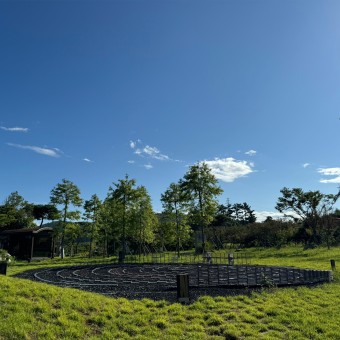
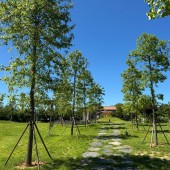
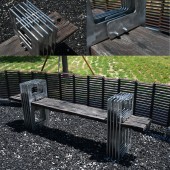
| DESIGN NAME: Martyrs' Maze PRIMARY FUNCTION: Meditative Sanctuary INSPIRATION: Inspired by the journey of pilgrimage and the reverence for martyrs, this design reflects a profound sense of respect and introspection. The maze path mirrors the winding road of faith and resilience, inviting visitors to embark on a contemplative experience. Utilizing materials like reclaimed wood, volcanic stone, and stainless steel, the design blends historical significance with modern artistry, paying homage to the spirit of perseverance and spiritual devotion embedded in the site’s legacy. UNIQUE PROPERTIES / PROJECT DESCRIPTION: This contemplative space, located at a Catholic martyrdom shrine, features a unique maze path symbolizing the pilgrimage journey, providing a tranquil environment for reflection. Constructed from HPL and CNC-cut stainless steel, it integrates reclaimed wood benches and volcanic stone flooring to blend tradition with modernity. The selection of durable materials enhances resilience and aesthetic value, creating a harmonious space honoring martyrs through innovative design and craftsmanship. OPERATION / FLOW / INTERACTION: Martyrs' Maze invites visitors to walk a winding path, guiding them through a journey of reflection and reverence. The maze’s layout encourages slow, mindful movement, creating a tranquil experience that helps visitors connect deeply with the space’s meaning. Natural materials like volcanic stone and reclaimed wood enhance the sensory experience, grounding visitors in a peaceful environment. This design transforms a simple path into a meditative journey, offering a unique space for introspection and honoring the legacy of martyrs. PROJECT DURATION AND LOCATION: The project was carried out from 2023 to August 2024 and is located within the Gaegab Martyrdom Shrine in Gochang-gun, Jeollabuk-do, South Korea. |
PRODUCTION / REALIZATION TECHNOLOGY: The 'Martyrs' Maze' was realized through precise CNC-cutting technology, using HPL and stainless steel for durability and resistance to outdoor conditions. Reclaimed wood from decommissioned ships was incorporated into the benches, offering sustainability and historic texture. Volcanic stone was chosen for the flooring to create a natural, resilient surface. These materials were selected for their low maintenance and weather-resistant properties, ensuring the structure’s longevity while honoring both environmental and historical values. SPECIFICATIONS / TECHNICAL PROPERTIES: Martyrs' Maze spans approximately 15,000 mm x 12,000 mm, with pathways designed to be 1,200 mm wide for comfortable navigation. Benches are constructed from reclaimed wood, measuring 1,500 mm in length x 450 mm in depth x 450 mm in height, with stainless steel support for added stability. The maze boundaries are marked with CNC-cut stainless steel and HPL panels, each 1,000 mm in height. Volcanic stone flooring is 30 mm thick, chosen for durability and weather resistance, ensuring a sustainable and enduring structure. TAGS: Contemplative Space, Pilgrimage Maze, Martyr Memorial, Spiritual Reflection RESEARCH ABSTRACT: This design research aimed to create a contemplative space honoring martyrs and supporting spiritual reflection. Using site analysis and symbolic pathway design, data was collected through visits to similar historical sites and user surveys on reflective space experiences. Participants included local historians and potential visitors. Results highlighted the importance of slow, guided pathways and sustainable materials to enhance connection and respect. Insights suggest that such spaces deepen cultural heritage appreciation, providing communities with meaningful environments for shared memory and reflection. CHALLENGE: The main challenge was balancing historical reverence with modern design in a way that honored martyrs without overwhelming the natural setting. Creatively, it required integrating symbolic pathways that resonated with visitors’ reflective journeys. Sourcing sustainable, durable materials like reclaimed wood and volcanic stone was difficult due to availability and costs, and CNC technology had to be adapted to outdoor conditions. Navigating these obstacles ensured a respectful, enduring design that serves both societal reverence and environmental responsibility. ADDED DATE: 2024-10-31 01:22:00 TEAM MEMBERS (1) : Lead Designer: Kim, Moohan, Engineer & Designer: Yang, Jong-eun & Min, Kyung Chae, Assistant Designer: Choi, Hyo Bhin & Lee, Sujeong IMAGE CREDITS: Moohan Kim, Jongeun Yang and Kyungchae Min, 2024. |
||||


| CLIENT/STUDIO/BRAND DETAILS | |
 |
NAME: ITLs PROFILE: Innovating precision space creation technology, ITLs is building better spaces with you. Through location-based digital twin technology, we implement creative yet practical spaces. For a sustainable future, ITLs sets new standards in landscape architecture. |

| AWARD DETAILS | |
 |
Martyrs' Maze Meditative Sanctuary by Moohan Kim, Jongeun Yang and Kyungchae Min is Winner in Landscape Planning and Garden Design Category, 2024 - 2025.· Read the interview with designer Moohan Kim, Jongeun Yang and Kyungchae Min for design Martyrs' Maze here.· Press Members: Login or Register to request an exclusive interview with Moohan Kim, Jongeun Yang and Kyungchae Min. · Click here to register inorder to view the profile and other works by Moohan Kim, Jongeun Yang and Kyungchae Min. |
| SOCIAL |
| + Add to Likes / Favorites | Send to My Email | Comment | Testimonials | View Press-Release | Press Kit |
Did you like Moohan Kim, Jongeun Yang and Kyungchae Min's Landscape Design?
You will most likely enjoy other award winning landscape design as well.
Click here to view more Award Winning Landscape Design.
  |
 |