Hydro Bridge by Xiyao Wang |
Home > Winners > #165012 |
 |
|
||||
| DESIGN DETAILS | |||||
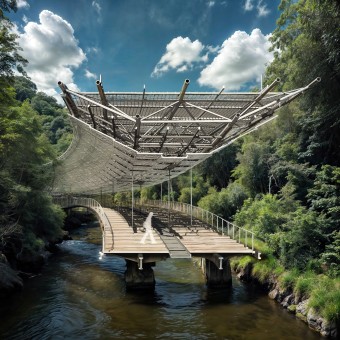
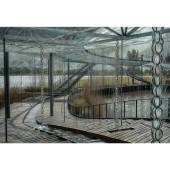
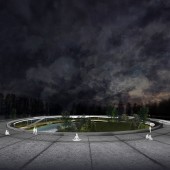
| DESIGN NAME: Hydro PRIMARY FUNCTION: Bridge INSPIRATION: The inspiration came from the need to develop resilient infrastructure in regions prone to drastic weather shifts. Nepal’s monsoon seasons present significant challenges, which inspired the bridge’s dual function as a dry-season bridge and a rainy-season water storage solution. Drawing from the fluidity of natural water systems and vernacular architecture, the project offers a public space that embraces the rhythms of its environment and creates opportunities for social engagement. UNIQUE PROPERTIES / PROJECT DESCRIPTION: Hydro-Bridge is an adaptive, multifunctional pedestrain bridge in Chyasikot, Nepal. Designed to address the region's seasonal changes, it serves as a pedestrian and light vehicle bridge during dry periods and transforms into a water storage system and secure camping site during the rainy season. Its unique design merges public space and infrastructure, integrating environmental adaptation, sustainability, and community functionality, all while emphasizing harmony with the natural landscape. OPERATION / FLOW / INTERACTION: Hydro-Bridge operates dynamically based on the seasonal cycle. During the dry season, it functions as a bridge for pedestrians and light vehicles. As monsoon rains begin, it transforms into a system that captures and stores rainwater. The design allows people to interact with the structure, using it as a social hub while benefiting from its adaptable functionality. Its design provides seamless transitions, reflecting an intelligent response to environmental changes and offering a public space that supports community interaction. PROJECT DURATION AND LOCATION: Project is located Nakkhu River in Chyasikot, Nepal. First conceived in 2019. |
PRODUCTION / REALIZATION TECHNOLOGY: Steel structure with metal detailing and glass roof collecting rain water. Parametric design tools are used to design the bridge. SPECIFICATIONS / TECHNICAL PROPERTIES: The bridge is 7m tall and 8m wide. TAGS: bridge, infrastructure, sustainable design, climate change RESEARCH ABSTRACT: The research behind Hydro-Bridge focused on sustainable infrastructure in flood-prone areas. The objective was to explore how built environments could adapt to climate conditions. The methodology involved site analysis, climate modeling, and user behavior studies, combining environmental data with structural analysis. Results showed the need for dual-purpose infrastructure that provides public space and addresses seasonal needs. This research highlights the bridge’s capacity to support urban resilience while fostering sustainable social spaces. CHALLENGE: The biggest challenge was designing a structure that responds to both community needs and the natural environment. Overcoming the constraints of budget, materials, and complex seasonal dynamics required interdisciplinary collaboration between architects, engineers, and hydrologists. The need to balance aesthetics with functionality, and to create a design that could withstand Nepal's intense monsoon season, while still offering public utility in drier months, pushed the creative boundaries and led to innovative structural solutions. ADDED DATE: 2024-10-10 23:50:44 TEAM MEMBERS (1) : IMAGE CREDITS: Xiyao Wang, 2024. |
||||
| Visit the following page to learn more: https://eplabdotstudio.wordpress.com/ | |||||
| CLIENT/STUDIO/BRAND DETAILS | |
 |
NAME: Extended Play Lab PROFILE: Extended Play Lab is an architecture and design practice based in New York, founded by architect Xiyao Wang. The studio operates at the intersection of architecture, urbanism, and art, focusing on creating innovative spaces that integrate functionality with environmental and social consciousness. Extended Play Lab’s work spans across architectural design, urban planning, interior spaces, and sculptural installations, with a keen interest in how built environments can foster community interaction and respond to the rhythms of nature. By blurring the lines between architecture, design, and art, Extended Play Lab addresses the challenges of rapid urbanization while prioritizing sustainability and innovation. Their work has garnered international recognition, positioning them as thought leaders in the field of contemporary architectural practice. |

| AWARD DETAILS | |
 |
Hydro Bridge by Xiyao Wang is Winner in Engineering, Construction and Infrastructure Design Category, 2024 - 2025.· Read the interview with designer Xiyao Wang for design Hydro here.· Press Members: Login or Register to request an exclusive interview with Xiyao Wang. · Click here to view the profile and other works by Xiyao Wang. |
| SOCIAL |
| + Add to Likes / Favorites | Send to My Email | Comment | Testimonials | View Press-Release | Press Kit |
Did you like Xiyao Wang's Infrastructure Design?
You will most likely enjoy other award winning infrastructure design as well.
Click here to view more Award Winning Infrastructure Design.
  |
 |