Cotton Boll Private Lounge by Ece Gulagac and Ozkan Gulagac |
Home > Winners > #164862 |
 |
|
||||
| DESIGN DETAILS | |||||
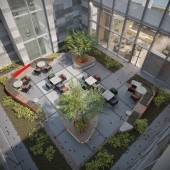
| DESIGN NAME: Cotton Boll PRIMARY FUNCTION: Private Lounge INSPIRATION: The project is located within Çukurova Airport, which is situated in southern Turkey and was inaugurated in 2023. In addition to being one of the oldest human settlements, the region holds great historical, geographical, and economic significance. The interior design focuses on these factors, along with passenger experiences, comfort, and sustainability. The cotton produced in the region, cotton fields, traditional handcrafted textiles, historical buildings have been our sources of inspiration. UNIQUE PROPERTIES / PROJECT DESCRIPTION: The design aims to ensure that the region's unique local and cultural essence is felt in every corner of the space. These elements are interpreted with a focus on comfort and experience while addressing the needs of passengers and seamlessly integrating them into the overall composition. At the same time, this interpretation is harmonized with the airline's corporate identity, giving the space a strong and distinctive character. OPERATION / FLOW / INTERACTION: The space is designed to make travel easier and more enjoyable. Passengers move through the area smoothly, guided by natural flow and intuitive design. Inspired by local culture, interactive elements create a welcoming and engaging experience. By blending comfort, tradition, and functionality, the design reduces stress and enhances the journey, making every moment feel more relaxing and meaningful. PROJECT DURATION AND LOCATION: The design and implementation projects were completed between February and August 2023. The implementation process began in March 2024 and the project was opened to users in September 2024. FITS BEST INTO CATEGORY: Interior Space and Exhibition Design |
PRODUCTION / REALIZATION TECHNOLOGY: The linear texture of the cotton fields in the Çukurova region is interpreted in harmony with the "Flow" concept from the airline's corporate identity, resulting in a curvilinear ceiling pattern in the lounge area. To enhance the design, natural textile fabrics derived from cotton were selected, reinforcing both visual continuity and material authenticity. To emphasize the fluidity and softness of cotton’s white texture, flexible LED lighting was integrated between the fabric layers. To prevent direct eye contact with the light source, the fabrics were installed vertically on both sides of the LED strips, ensuring a diffused and visually comfortable illumination. Due to fire regulations, fabric heights were restricted to a certain limit. To create the perception of greater height, mirror-finish laminate panels were applied to the ceiling surface. This reflective design choice enhances spatial depth, making the vertical fabric panels appear twice as high and adding a sense of openness and expansiveness to the lounge. Further inspiration was drawn from the form and texture of cotton bolls to create distinctive patterns throughout the space. These patterns were combined with lighting elements and integrated into illuminated panels behind built-in seating niches, enhancing the aesthetic depth of the lounge while providing a soft and inviting lighting effect. In the food and beverage service area, a unique panel was designed to reflect the rich cultural heritage of the Çukurova region. This design merges traditional motifs from local carpet weaving with the historical mosaic textures of the region, reinterpreting artisanal craftsmanship through a contemporary lens. The integration of these elements creates a distinctive identity and depth, transforming the panel into a striking artistic feature. Measuring 7.60 meters by 1.60 meters, the panel consists of hollow aluminum pieces to reduce weight. A total of 3,532 mosaic pieces were individually handcrafted and assembled. The dynamic combination of glossy and matte surfaces interacts with the movement of users within the space, creating constantly shifting light reflections and giving the panel a vibrant and ever-evolving character. SPECIFICATIONS / TECHNICAL PROPERTIES: The project consists of a 420 square meters lounge area, a 205 square meters semi-open terrace area, and a 140 square meters crew resting area, with a total enclosed space of 765 square meters. TAGS: Cukurova airport, cultural heritage, sustainable design, passenger experience, airport lounge, cotton-inspired design, handcrafted textiles, regional identity, modern travel spaces, natural materials RESEARCH ABSTRACT: This project explores the relationship between cultural heritage, nature, and modern travel experiences. Inspired by Çukurova’s rich history, geography, and economy, the design integrates local materials and traditions into a contemporary setting. By incorporating elements such as cotton fields and handcrafted textiles, the space creates a sensory experience that reflects the essence of the region. Prioritizing comfort and sustainability, the project redefines the airport experience with a human-centered approach. CHALLENGE: The main creative challenge was to harmoniously blend Çukurova’s deep-rooted historical and cultural identity with the modern needs of an airport environment. Balancing authenticity with functionality required extensive research into local craftsmanship, materials, and architectural heritage. Social and historical perspectives influenced the integration of regional symbols, such as cotton fields and handcrafted textiles, while sustainability concerns drove the selection of natural and locally sourced materials. At the same time, ensuring durability was a key priority in material selection. Special attention was given to the longevity, resilience, and safety of materials, ensuring that they not only reflect the region’s identity but also withstand the demands of a high-traffic airport environment. Fire resistance and sensitivity to sunlight were also critical factors in material choices, ensuring both passenger safety and long-term performance in varying environmental conditions. Externally, regulatory frameworks and aviation safety standards posed constraints on material choices and structural design. Additionally, production limitations required innovative solutions to adapt traditional craftsmanship to large-scale implementation. Despite these challenges, the project successfully merges cultural heritage with contemporary design, offering passengers a unique and immersive travel experience while ensuring long-lasting, high-quality materials that meet both aesthetic and functional needs. ADDED DATE: 2024-09-30 14:37:37 TEAM MEMBERS (2) : Designer: Ece Gulagac and Designer: Ozkan Gulagac IMAGE CREDITS: OGE Architects PATENTS/COPYRIGHTS: OGE Architects |
||||
| Visit the following page to learn more: https://www.ogemimarlik.com | |||||


| CLIENT/STUDIO/BRAND DETAILS | |
 |
NAME: OGE Architects PROFILE: Our mission is to create optimal spatial solutions by integrating space, time, and context. Throughout the design process, we prioritize innovation and originality, delivering unique architectural outcomes. Regardless of scale, we approach each project with the same passion and dedication. |

| AWARD DETAILS | |
 |
Cotton Boll Private Lounge by Ece Gulagac and Ozkan Gulagac is Winner in Interior Space and Exhibition Design Category, 2024 - 2025.· Read the interview with designer Ece Gulagac and Ozkan Gulagac for design Cotton Boll here.· Press Members: Login or Register to request an exclusive interview with Ece Gulagac and Ozkan Gulagac. · Click here to register inorder to view the profile and other works by Ece Gulagac and Ozkan Gulagac. |
| SOCIAL |
| + Add to Likes / Favorites | Send to My Email | Comment | Testimonials | View Press-Release | Press Kit |
Did you like Ece Gulagac and Ozkan Gulagac's Interior Design?
You will most likely enjoy other award winning interior design as well.
Click here to view more Award Winning Interior Design.
  |
 |