| THE AWARD |
| CATEGORIES |
| REGISTRATION |
| SUBMIT YOUR WORK |
| ENTRY INSTRUCTIONS |
| TERMS & CONDITIONS |
| PUBLICATIONS |
| DATES & FEES |
| METHODOLOGY |
| CONTACT |
| WINNERS |
| PRESS ROOM |
| GET INVOLVED |
| DESIGN PRIZE |
| DESIGN STORE |
| THE AWARD | JURY | CATEGORIES | REGISTRATION | PRESS | WINNERS | PUBLICATIONS | ENTRY INSTRUCTIONS |
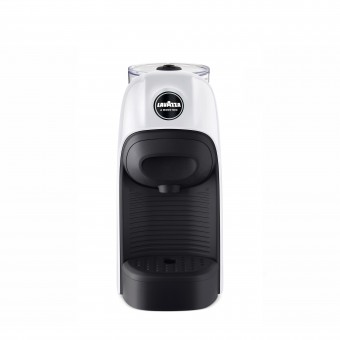
Lavazza Tiny Espresso MacHine by Florian Seidl |
Home > Winners > Design #104752 >Interview |
 |
|

FS: What is the main principle, idea and inspiration behind your design?
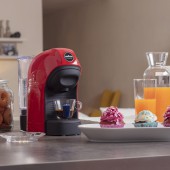
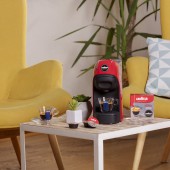
FS: We wanted to design a small and friendly espresso machine. We describe he design as essential and joyfully Mediterranean.
FS: What has been your main focus in designing this work? Especially what did you want to achieve?
FS: We set out to create a compact new product that would implement the new design direction we had developed for Lavazza A Modo Mio.
FS: What are your future plans for this award winning design?
FS: The product had a very successful production run.
FS: How long did it take you to design this particular concept?
FS: Complete product development - from the very first initial concept to launching the product - took just about two years.
FS: Why did you design this particular concept? Was this design commissioned or did you decide to pursuit an inspiration?
FS: Lavazza needed a new entry level product to complete the product range.
FS: Is your design being produced or used by another company, or do you plan to sell or lease the production rights or do you intent to produce your work yourself?
FS: The appliance has been developed by Lavazza in Turin, Italy.
FS: What made you design this particular type of work?
FS: As mentioned before,we needed a new entry level product and also wanted to consolidate the general design direction - a natural extension of the Lavazza A MODO MIO product line.
FS: Where there any other designs and/or designers that helped the influence the design of your work?
FS: We initially developed several design proposals and then selected one to develop further and bring into production.
FS: Who is the target customer for his design?
FS: It is an entry level product for us. This means it is accessible to everybody, but it is definitely not cheap. So the target group is really quite universal - everyone looking for a compact and well designed espresso machine.
FS: What sets this design apart from other similar or resembling concepts?
FS: The product was designed to be part of the Lavazza A Modo Mio product range. It extends this range and uses the sophisticated form language specific to the Italian brand.
FS: How did you come up with the name for this design? What does it mean?
FS: The name was developed by colleagues from the marketing department.
FS: Which design tools did you use when you were working on this project?
FS: The design process involved everything from analog and digital sketching to 3D modeling, a series of physical mock-ups and prototypes.
FS: What is the most unique aspect of your design?
FS: Maybe the main outer housing is a unique aspect. We managed to create it in one single shell that assembles almost like a helmet on top of the appliance and gives it a visually well structured, yet sensual appearance.
FS: Who did you collaborate with for this design? Did you work with people with technical / specialized skills?
FS: The design was developed by our small in-house team in collaboration with colleagues from the technical department.
FS: What is the role of technology in this particular design?
FS: The product itself is actually quite simple, as it is an entry level product.
FS: Is your design influenced by data or analytical research in any way? What kind of research did you conduct for making this design?
FS: The design was developed based on market analysis, the target group and relevant trends.
FS: What are some of the challenges you faced during the design/realization of your concept?
FS: There were some minor issues related to the translation from the software package we use in design to the one used in our technical department.
FS: How did you decide to submit your design to an international design competition?
FS: Design competitions play an important part in communication. They help in product and brand positioning. This is why we submit our products to these competitions.
FS: What did you learn or how did you improve yourself during the designing of this work?
FS: Every new product you design is an opportunity to learn. I think this particular project allowed us to grow as a team and better understand the specific requirements and needs that design and engineering have when developing a new product.
FS: Any other things you would like to cover that have not been covered in these questions?
FS: That's all.
FS: Thank you for providing us with this opportunity to interview you.
A' Design Award and Competitions grants rights to press members and bloggers to use parts of this interview. This interview is provided as it is; DesignPRWire and A' Design Award and Competitions cannot be held responsible for the answers given by participating designers.
| SOCIAL |
| + Add to Likes / Favorites | Send to My Email | Comment | View Press-Release | Translations |