Birds' Battlefield Chess by Shadi Habib |
Home > |
 |
|
||||
| DESIGN DETAILS | |||||
| DESIGN NAME: Birds' Battlefield PRIMARY FUNCTION: Chess INSPIRATION: Chess has been a family recreation in my surroundings since childhood. However, my so-called question has been that why no chessboard looks visually appealing that much. As a result, I came up with the idea of designing a chessboard that can fullfil this visual request along with a decorative sense that it can add to its atmosphere after the whole game is enjoyably played. UNIQUE PROPERTIES / PROJECT DESCRIPTION: The basic idea of this chessboard-table is encouraged by birds' body plus Earth curve on the account of chessboard, and the thing that makes it different is actually this new look of first birds and then the board itself, either their appearance or their metaphorical and figurative meaning. Bird's Battlefield is designed based on Chatrang and is to distance itself from chess in its form and concept but not the rules and it requires more challenging decisions from the players' side. It is worth mentioning that the design is held by the wings of three birds which represent Simurgh, the Persian mythical bird. OPERATION / FLOW / INTERACTION: This work of art can be applied both as a piece of decoration and more as a plaything with a fresh look while the rules of this game do not alter and it can bring easiness next to creativity to the work. It is a design based on the so-called table and to transformation is needed. There are also two drawers designed for the table in order to keep the pieces in. The whole work can be loaded and transported everywhere in a typical-size car. PROJECT DURATION AND LOCATION: The project started in 2006 in Alzahra university in Tehran and was actually presented as an academic dissertation. The rest of the project was carried out in Mohammad-ali Vadood's workshop in Tehran, and finally it took about 5 or 6 month to get completed in December 2006. It is currently kept in Shayeste Moa'zezi-kia's private collection in Tehran. FITS BEST INTO CATEGORY: Fine Arts and Art Installation Design |
PRODUCTION / REALIZATION TECHNOLOGY: Walnut, jujube, boxwood, plus stump-front cuts of Persian olive (Senjed) and montpellier maple (Keykom) are the woods used, and carpentry, marquetry, woodcarving and sculpting were the arts helpful to perform the work. Moreover, as the pieces were predicted to be unstable on the board, molten lead is used in their base to keep them balanced, and to cut the bases, I used a Persian carpentry technique called step-out (Pa-be-biroon, not exactly but somehow close to saber legs in western carpentry, originally inspired by the architecture of Iranian Ziggurats. SPECIFICATIONS / TECHNICAL PROPERTIES: The table is 80 cm.in overall height and the tabletop has a diameter of 50 cm.As for the pieces,their height is between 8 to 15 cm.and each has a base of about 2 cm. diameter TAGS: Chess, Innovative Chess, Brides, Game of thrones, King, statue, Wood carving, Abstract, Marquetry, Circle. RESEARCH ABSTRACT: After all the historic research about the roots of chess, the design was first explored conceptually, and then technically to match and select the woods. The board tries to first display the earth surface and second to reflect the moon's surface. It sits on the wings of three Simurghs, the mythical bird having observed the complete destruction of the world for three times. So, when this world game ends, it will be always there to witness. The tools were band saw, planer, micromote, plunge router, sheet palm sander, polisher and scroll saw, chisel, hammer, sandpaper and coping saw. There were also some frames made by curving wood. CHALLENGE: The very first challenge was to design it all based on geometrical features of the full circle so that the number of a true chessboard was kept safe and each home could be big enough for the chess pieces. The other challenge but was fitting the chess pieces standing still in their homes according to their size, shape and height. Molten lead, inserted in the base of each piece, was the solution of this problem. ADDED DATE: 2019-06-29 10:38:42 TEAM MEMBERS (2) : Shadi Habib and Mohammad-ali Vadood IMAGE CREDITS: Shadi Habib, 2019. |
||||
| Visit the following page to learn more: http://shorturl.at/orQ67 | |||||


| CLIENT/STUDIO/BRAND DETAILS | |
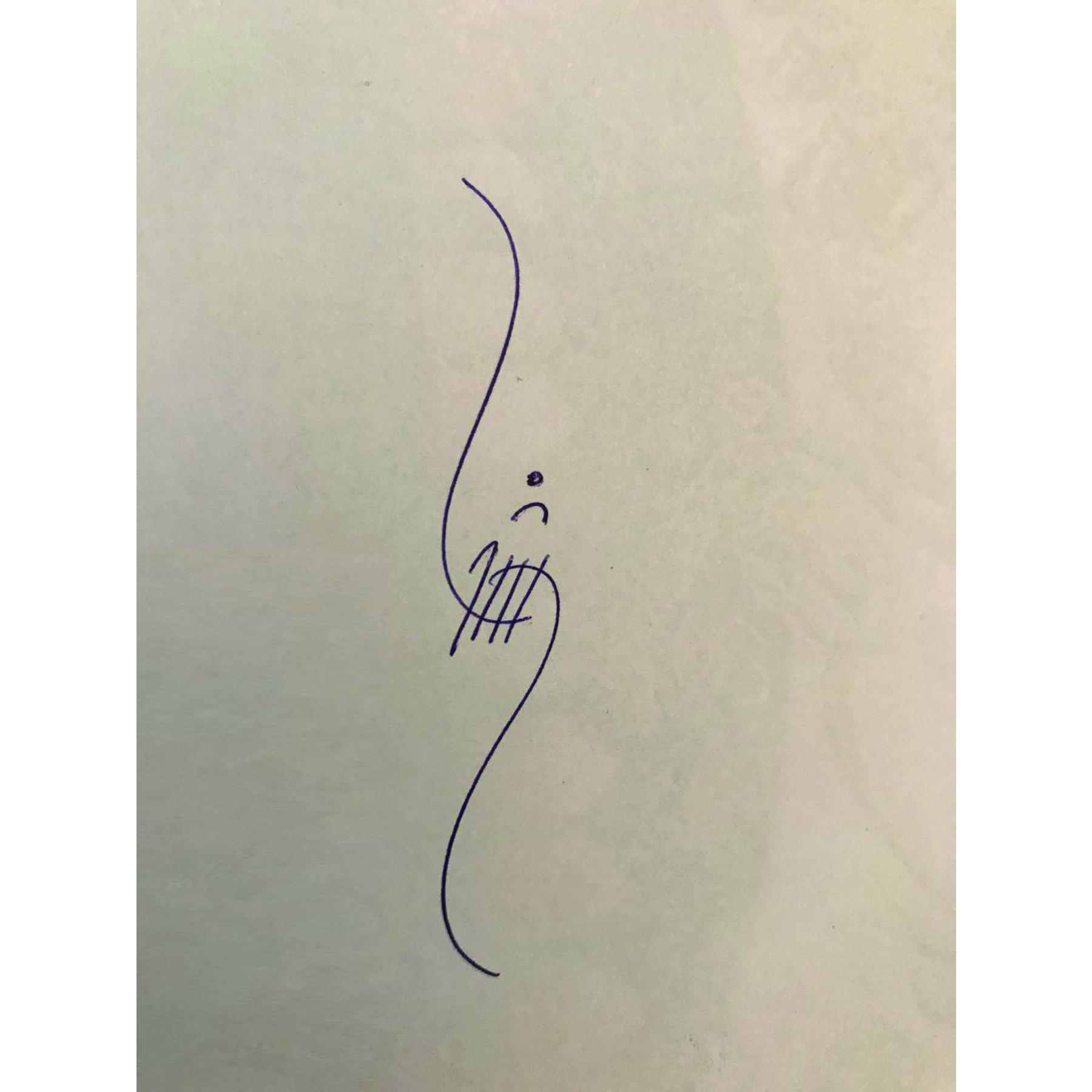 |
NAME: Shadi Habib PROFILE: It is a design of my own name which has been shaped vertically owing to the fact that vertical lines share the feel of standing up right. It has also benefited from the use of soft lines and curves next to these vertical lines so that together could demonstrate flexibility along with such a stand, and can recommend Libra, my zodiac, as well |

| AWARD DETAILS | |
 |
Birds' Battlefield Chess by Shadi Habib is Runner-up for A' Design Award in Fine Arts and Art Installation Design Category, 2019 - 2020.· Read the interview with designer Shadi Habib for design Birds' Battlefield here.· Press Members: Login or Register to request an exclusive interview with Shadi Habib. · Click here to register inorder to view the profile and other works by Shadi Habib. |
| SOCIAL |
| + Add to Likes / Favorites | Send to My Email | Comment | Testimonials |
  |
 |