| THE AWARD |
| CATEGORIES |
| REGISTRATION |
| SUBMIT YOUR WORK |
| ENTRY INSTRUCTIONS |
| TERMS & CONDITIONS |
| PUBLICATIONS |
| DATES & FEES |
| METHODOLOGY |
| CONTACT |
| WINNERS |
| PRESS ROOM |
| GET INVOLVED |
| DESIGN PRIZE |
| DESIGN STORE |
| THE AWARD | JURY | CATEGORIES | REGISTRATION | PRESS | WINNERS | PUBLICATIONS | ENTRY INSTRUCTIONS |
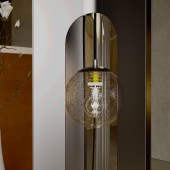
Crackdown Decorative Lighting by Ibrahim Fatih Satilmis |
Home > Winners > Design #170720 >Interview |
 |
|

FS: What is the main principle, idea and inspiration behind your design?
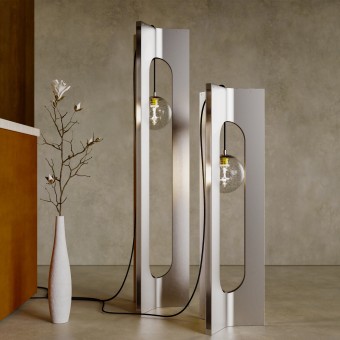
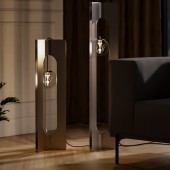
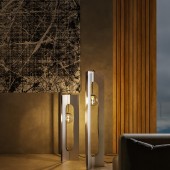
IS: Crackdown explores the hidden brilliance of cracks. By marrying crackle glass with satin‑finished metal, I created a modular luminaire that choreographs light and shadow, turning surface “imperfections” into poetic focal points. The aim is to celebrate rupture as a source of radiance.
FS: What has been your main focus in designing this work? Especially what did you want to achieve?
IS: My priority was interaction: the object should respond to both user and setting, igniting a warm ambience the moment light is introduced. Crackdown therefore becomes an experience, not just a fixture.
FS: What are your future plans for this award winning design?
IS: I am prototyping a desk‑top edition and experimenting with recycled metals and tinted glass to widen the collection.
FS: How long did it take you to design this particular concept?
IS: Seven weeks from initial research to final render.
FS: Why did you design this particular concept? Was this design commissioned or did you decide to pursuit an inspiration?
IS: The project was self‑initiated; the tactile contrast of cracked glass and cool metal sparked the concept and drove the process.
FS: Is your design being produced or used by another company, or do you plan to sell or lease the production rights or do you intent to produce your work yourself?
IS: I am negotiating with several Istanbul manufacturers to launch limited runs and explore licensing for broader markets.
FS: What made you design this particular type of work?
IS: I sought to dramatise light’s emotional potential through fractured texture, adding narrative depth to functional lighting.
FS: Where there any other designs and/or designers that helped the influence the design of your work?
IS: apandi minimalism—its calm lines and material honesty—guided the aesthetic.
FS: Who is the target customer for his design?
IS: Hotels, contemporary offices, galleries and design‑driven homeowners seeking statement lighting.
FS: What sets this design apart from other similar or resembling concepts?
IS: Crackle glass is structural, not ornamental; every crackle glass a unique pattern, while the modular frame adapts from floor to pendant with a single core component.
FS: How did you come up with the name for this design? What does it mean?
IS: ‘Crack’ reflects the fractured surface; ‘down’ hints at taming glare to reveal subtle glow—light emerging from rupture.
FS: Which design tools did you use when you were working on this project?
IS: SolidWorks, Shapr3D, AutoCAD, KeyShot and Adobe CC for modelling, rendering and presentation.
FS: What is the most unique aspect of your design?
IS: A shared module strategy lets multiple product types be produced with one tooling set, reducing cost and waste.
FS: Who did you collaborate with for this design? Did you work with people with technical / specialized skills?
IS: The project was realised solo; I handled research, design, and visualisation myself.
FS: What is the role of technology in this particular design?
IS: Laser‑cut panels, CNC metal and efficient LED engines deliver precision, durability and low energy consumption.
FS: Is your design influenced by data or analytical research in any way? What kind of research did you conduct for making this design?
IS: User–architect interviews defined lighting needs; material testing determined optimum crackle density for glare control.
FS: What are some of the challenges you faced during the design/realization of your concept?
IS: Balancing emotional mood in renders required countless texture‑light iterations; engineering fine tolerances for modular joints was equally demanding.
FS: How did you decide to submit your design to an international design competition?
IS: A close friend encouraged me; the award offered global visibility and professional benchmarking.
FS: What did you learn or how did you improve yourself during the designing of this work?
IS: I refined my texturing workflow and learned how meticulous modelling directly affects believable light behaviour in renders and prototypes.
FS: Any other things you would like to cover that have not been covered in these questions?
IS: Every component is specified for disassembly and recycling, aligning the project with sustainable, minimalist principles.
FS: Thank you for providing us with this opportunity to interview you.
A' Design Award and Competitions grants rights to press members and bloggers to use parts of this interview. This interview is provided as it is; DesignPRWire and A' Design Award and Competitions cannot be held responsible for the answers given by participating designers.
| SOCIAL |
| + Add to Likes / Favorites | Send to My Email | Comment | View Press-Release |