| THE AWARD |
| CATEGORIES |
| REGISTRATION |
| SUBMIT YOUR WORK |
| ENTRY INSTRUCTIONS |
| TERMS & CONDITIONS |
| PUBLICATIONS |
| DATES & FEES |
| METHODOLOGY |
| CONTACT |
| WINNERS |
| PRESS ROOM |
| GET INVOLVED |
| DESIGN PRIZE |
| DESIGN STORE |
| THE AWARD | JURY | CATEGORIES | REGISTRATION | PRESS | WINNERS | PUBLICATIONS | ENTRY INSTRUCTIONS |
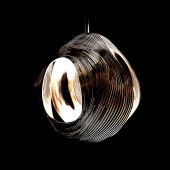
Nest Lamp Lighting by Tzuhsiang Lin |
Home > Winners > Design #153883 >Interview |
 |
|



FS: What is the main principle, idea and inspiration behind your design?
TL: The design draws inspiration from natural shelters like bird nests, aiming to create an emotional sense of safety and stillness. It symbolizes a return to presence through light and form.
FS: What has been your main focus in designing this work? Especially what did you want to achieve?
TL: My main focus was to design something both poetic and functional—an object that encourages reflection in the home. I wanted to achieve a sense of emotional connection through minimal form.
FS: What are your future plans for this award winning design?
TL: I plan to expand the Nest series with more furniture and lighting elements, and am exploring options for limited production or gallery exhibitions.
FS: How long did it take you to design this particular concept?
TL: About a year from concept to prototype.
FS: Why did you design this particular concept? Was this design commissioned or did you decide to pursuit an inspiration?
TL: This was a self-initiated design born out of personal exploration. I wanted to pursue a vision that blends craft, symbolism, and emotional resonance.
FS: Is your design being produced or used by another company, or do you plan to sell or lease the production rights or do you intent to produce your work yourself?
TL: I am currently self-producing small batches and open to licensing or collaborations for wider distribution.
FS: What made you design this particular type of work?
TL: I’ve always been interested in how objects can evoke emotional states. This project allowed me to explore that idea deeply through light and spatial presence.
FS: Where there any other designs and/or designers that helped the influence the design of your work?
TL: I was inspired by the quiet material sensitivity of Japanese minimalism and the atmospheric works of Issey Miyake and Tokujin Yoshioka.
FS: Who is the target customer for his design?
TL: The design targets mindful users who value aesthetics with symbolic meaning—people who seek comfort and reflection in their living space.
FS: What sets this design apart from other similar or resembling concepts?
TL: Its sculptural layering, symbolic geometry, and softness in lighting set it apart from typical home décor pieces.
FS: How did you come up with the name for this design? What does it mean?
TL: “Nest” reflects both the physical structure and emotional concept of safe enclosure—it’s a metaphor for inner stillness.
FS: Which design tools did you use when you were working on this project?
TL: I used Rhinoceros for modeling, KeyShot for rendering, and resin-based 3D printing for prototyping.
FS: What is the most unique aspect of your design?
TL: The design’s ability to interact with light and shadow from every angle makes it uniquely dynamic yet grounded.
FS: Who did you collaborate with for this design? Did you work with people with technical / specialized skills?
TL: I designed the project independently but consulted with engineers and material specialists to refine technical feasibility.
FS: What is the role of technology in this particular design?
TL: Technology enabled the execution of complex geometries with high precision, essential to achieving the design’s layered effect.
FS: Is your design influenced by data or analytical research in any way? What kind of research did you conduct for making this design?
TL: I studied natural crystalline forms, light diffusion properties, and symbolic geometries to guide the form and emotion.
FS: What are some of the challenges you faced during the design/realization of your concept?
TL: Balancing structural integrity with visual delicacy during 3D printing was a major challenge. I iterated multiple prototypes to resolve it.
FS: How did you decide to submit your design to an international design competition?
TL: I believed the design’s emotional clarity and formal strength could resonate globally, making it suitable for international recognition.
FS: What did you learn or how did you improve yourself during the designing of this work?
TL: I learned how to translate conceptual narratives into tactile experience, deepening my sensitivity to materials and light.
FS: Any other things you would like to cover that have not been covered in these questions?
TL: This project reinforced my belief that meaningful design doesn’t need to shout. It can whisper and still leave an impact.
FS: Thank you for providing us with this opportunity to interview you.
A' Design Award and Competitions grants rights to press members and bloggers to use parts of this interview. This interview is provided as it is; DesignPRWire and A' Design Award and Competitions cannot be held responsible for the answers given by participating designers.
| SOCIAL |
| + Add to Likes / Favorites | Send to My Email | Comment | View Press-Release |