
Ryucan Liquids Plastic Container by Peyman Hashemi |
Home > Winners > #168821 |
 |
|
||||
| DESIGN DETAILS | |||||
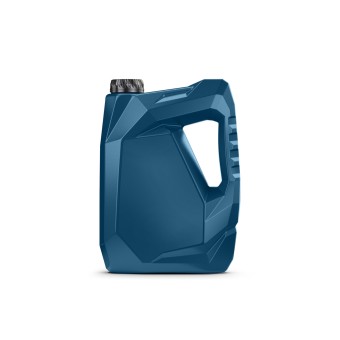
| DESIGN NAME: Ryucan PRIMARY FUNCTION: Liquids Plastic Container INSPIRATION: The design process initiates at a point beyond merely defining a project and its needs; it starts with a search for inspiration to develop a fresh approach. This inspiration must then be integrated into a functional context. For this project, we derived a unique aesthetic from the layered structure of Samurai armor, an element that symbolizes strength, durability, and protection. Drawing from this concept, we developed a container design that balances resilience with a distinctive visual identity. UNIQUE PROPERTIES / PROJECT DESCRIPTION: The Ryucan oil container is inspired by the strength and precision of Samurai armor, designed for both durability and material efficiency. Its angular structure and layered surface enhance recyclability by eliminating the need for adhesive labels. The embossed branding, ergonomic grip, and lightweight build provide superior handling and ease of transport, combining functionality with environmental responsibility. OPERATION / FLOW / INTERACTION: Ryucan is designed for effortless handling and precise pouring. Its ergonomic grip provides comfort and control, preventing spills and improving user experience. The lightweight structure enhances maneuverability, while embossed branding ensures durability without peeling. The reinforced body withstands drops and pressure changes, guaranteeing reliability. Its optimized shape allows for easy stacking, reducing storage space and transport costs while improving sustainability. PROJECT DURATION AND LOCATION: The Ryucan project began in January 2023 in Istanbul and concluded in December 2023. The development process involved in-depth research, multiple prototypes, and rigorous performance testing to ensure exceptional durability and sustainability. The final product was manufactured using proprietary techniques and officially debuted at ICIS 2025 London, reinforcing our commitment to eco-friendly industrial packaging innovations. FITS BEST INTO CATEGORY: Packaging Design |
PRODUCTION / REALIZATION TECHNOLOGY: Ryucan is manufactured using advanced blow molding technology, a process that heats and inflates thermoplastic material into a precise, high-strength form. The container is made from ninety percent recycled high-density polyethylene, reducing the need for virgin plastic. Finite element analysis was applied to optimize the structure, ensuring durability while achieving a twenty percent weight reduction. The embossed branding technique eliminates adhesive labels, enhancing recyclability and sustainability. SPECIFICATIONS / TECHNICAL PROPERTIES: width: 245 millimeters depth: 98 millimeters height: 314 millimeters capacity: 4 liters material: ninety percent recycled high-density polyethylene weight: 240 grams, twenty percent lighter than standard containers drop test performance: successfully passed from two point two meters, exceeding the one point eight meter industry standard pressure resistance: withstands one hundred thirty-one point four kilograms at fifty degrees celsius production process: blow molding with finite element analysis optimization branding: embossed logo for improved recyclability, no adhesive labels TAGS: Sustainable packaging, industrial container, recycled plastic, Finite Element Analysis, lightweight design, Samurai-inspired, embossed branding, blow molding, eco-friendly, high-performance RESEARCH ABSTRACT: The Ryucan project aimed to balance sustainability, strength, and production efficiency. Reducing weight by twenty percent while maintaining structural integrity required advanced finite element analysis. Achieving high durability with ninety percent recycled plastic demanded precise molding techniques to enhance material resilience. Eliminating adhesive labels and replacing them with embossed branding presented manufacturing challenges but significantly improved recyclability. The result is a lighter, stronger, and eco-friendly industrial container that sets a new standard in sustainable packaging. CHALLENGE: The biggest challenge was balancing sustainability, strength, and efficiency. Reducing weight by twenty percent while maintaining structural integrity required extensive finite element analysis simulations. Ensuring high durability with ninety percent recycled plastic demanded precise molding techniques. Replacing adhesive labels with embossed branding posed challenges but improved recyclability. Overcoming these obstacles resulted in a lighter, stronger, and more sustainable container. ADDED DATE: 2025-02-19 04:12:26 TEAM MEMBERS (1) : Co-Designer: Kayhan Turan IMAGE CREDITS: All Images are taken by Kayhan Turan PATENTS/COPYRIGHTS: Copyrights belong to Peyman Hashemi, 2024. |
||||
| Visit the following page to learn more: https://queenpack.com | |||||


| CLIENT/STUDIO/BRAND DETAILS | |
 |
NAME: Queen Pack Design PROFILE: Queen Pack Design specializes in crafting innovative packaging solutions that seamlessly align with a brand’s identity. With years of expertise, the company transforms conceptual visions into high-impact designs, integrating symbolic elements inspired by nature, automotive aesthetics, and unique brand characteristics. Beyond functionality, each container serves as a powerful visual and tactile brand representation, reinforcing market positioning. The company offers end-to-end support, from concept development to precision molding and production, ensuring both aesthetic appeal and manufacturing efficiency. Committed to quality, sustainability, and innovation, Queen Pack Design blends creative artistry with engineering precision. Every container is more than packaging—it is a strategic asset designed to captivate, communicate, and differentiate in a competitive market. |

| AWARD DETAILS | |
 |
Ryucan Liquids Plastic Container by Peyman Hashemi is Winner in Packaging Design Category, 2024 - 2025.· Read the interview with designer Peyman Hashemi for design Ryucan here.· Press Members: Login or Register to request an exclusive interview with Peyman Hashemi. · Click here to register inorder to view the profile and other works by Peyman Hashemi. |
| SOCIAL |
| + Add to Likes / Favorites | Send to My Email | Comment | Testimonials | View Press-Release | Press Kit |
Did you like Peyman Hashemi's Packaging Design?
You will most likely enjoy other award winning packaging design as well.
Click here to view more Award Winning Packaging Design.
  |
 |