| THE AWARD |
| CATEGORIES |
| REGISTRATION |
| SUBMIT YOUR WORK |
| ENTRY INSTRUCTIONS |
| TERMS & CONDITIONS |
| PUBLICATIONS |
| DATES & FEES |
| METHODOLOGY |
| CONTACT |
| WINNERS |
| PRESS ROOM |
| GET INVOLVED |
| DESIGN PRIZE |
| DESIGN STORE |
| THE AWARD | JURY | CATEGORIES | REGISTRATION | PRESS | WINNERS | PUBLICATIONS | ENTRY INSTRUCTIONS |
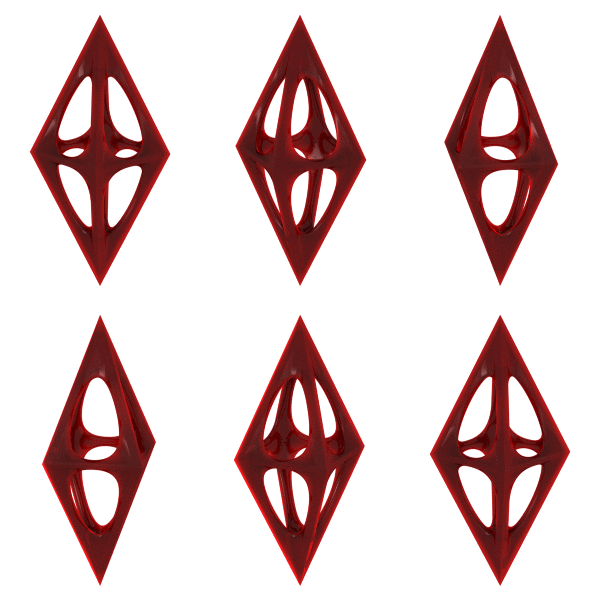
Robotic Sculpture - Entry #428814 |
Home > Design Encyclopedia > 428814 |
 Robotic Sculpture
 is an interdisciplinary domain that merges the realms of art and technology, embodying the convergence of robotics, sculpture, and interactive art. This innovative form of artistic expression utilizes robotic technologies to create sculptures that can move, respond to environmental stimuli, or interact with viewers, thereby extending the traditional boundaries of sculpture. The historical roots of robotic sculpture can be traced back to the kinetic art movement of the 20th century, which sought to incorporate movement into art pieces. However, with the advent of advanced robotics and computer programming, artists have been able to push these boundaries further, creating complex works that can perform a range of motions, react to data inputs, and even exhibit behaviors that mimic life forms. These sculptures often explore themes of human-machine interaction, the nature of consciousness and perception, and the potential futures of humanity intertwined with technology. The aesthetic and cultural significance of robotic sculpture lies in its ability to question and expand the viewer's understanding of art, technology, and their interrelations, offering a dynamic and immersive experience that challenges traditional perceptions of static art forms. Technological innovations, particularly in the fields of artificial intelligence and machine learning, continue to influence the development of robotic sculpture, suggesting a future where these artworks could become even more interactive and capable of sophisticated autonomous actions. The A' Design Award recognizes the innovative nature of robotic sculptures within its competition categories, highlighting the creative integration of technology and art.
Author: Patricia Johnson
Keywords: robotics, sculpture, interactive art, kinetic art, human-machine interaction, artificial intelligence, machine learning, A' Design Award
Robotic Sculpture
Robotic sculpture represents a fusion of art and technology, where the creation of three-dimensional art objects is facilitated or directly executed by robotic devices or systems. Unlike traditional sculpture, which relies on the manual skills and techniques of the artist to manipulate materials such as clay, stone, or metal, robotic sculpture involves programming robots to perform these tasks, often with a level of precision and consistency unattainable by human hands. This innovative approach to sculpture is not merely about the automation of the artistic process but opens new avenues for exploring the boundaries of form, movement, and interactivity in art. Robotic sculptures may incorporate sensors, actuators, and other electronic components, enabling them to respond to their environment, change their form, or interact with viewers in dynamic ways. The historical evolution of robotic sculpture is closely tied to advancements in robotics and digital technology, reflecting broader trends in digital art and interactive media. Influential figures in this field have often come from interdisciplinary backgrounds, combining expertise in engineering, computer science, and fine arts to push the boundaries of what is possible. The purpose and use of robotic sculpture vary widely, from aesthetic and conceptual explorations of technology's role in society to practical applications in entertainment, education, and public art installations. In terms of materials and techniques, robotic sculpture often involves a mix of traditional sculptural materials with modern industrial and electronic components. The aesthetic principles of robotic sculpture are as diverse as the field itself, ranging from minimalist forms to complex, kinetic structures. Culturally, robotic sculpture reflects contemporary society's fascination with and apprehension about technology, raising questions about automation, creativity, and the nature of art itself. Technological innovations, particularly in artificial intelligence and machine learning, continue to expand the possibilities for robotic sculpture, suggesting a future where art and technology are increasingly intertwined. Despite its reliance on machines, the creation of robotic sculpture remains a deeply human endeavor, requiring vision, creativity, and a critical understanding of the interplay between technology and human experience.
Author: Michael Thompson
Keywords: robotics, sculpture, interactive art, digital technology, kinetic art, artificial intelligence, machine learning
 About the Design+Encyclopedia
The Design+Encyclopedia is a crowd-sourced reference of information on design. Unlike other crowd-sourced publications on design, the Design Encyclopedia is edited and actively monitored and publishing is only possible after review of submitted texts. Furthermore, editors of the Design Encyclopedia are mostly consisting of award winning designers who have proven their expertise in their design respective fields. Information posted at design encyclopedia is copyrighted, you are not granted a right to use the text for any commercial reasons, attribution is required. If you wish to contribute to the design encyclopedia, please first register or login to A' Design Award and then start a new design encyclopedia entry.
If you did not find your answer, please feel free to check the design encyclopedia for more entries. Alternatively, you can register and type your own definition. Learn more about A' Design Award's Design+Encyclopedia.